You've probably heard that menopause kills sex drive. That's not what happens. What actually happens is that your tissue gets thinner, lubrication shifts, and the kind of stimulation that worked at 35 might feel too intense or uncomfortable at 55. It's not that pleasure disappears. It's that the pathway to pleasure changes.
And here's the thing most articles don't tell you: that change isn't a tragedy. It's actually an invitation to try things that work better for your body now.
Estrogen does a lot of invisible work. It keeps the vaginal and vulvar tissue plump, elastic, and well-lubricated. When estrogen drops, tissue thins (a real condition called genitourinary syndrome of menopause), blood flow to the area decreases slightly, and the skin becomes more sensitive to friction and pressure.
This isn't permanent damage. It's a shift. And it means that the kind of direct, high-friction stimulation from traditional vibrators can feel abrasive instead of pleasurable.
At the same time, nerve density doesn't change. You're not less capable of sensation. You're just more sensitive in a different way. The clitoris has about 8,000 nerve endings at any age. Menopause doesn't subtract those. It just changes which types of pressure and rhythm activate them most effectively.
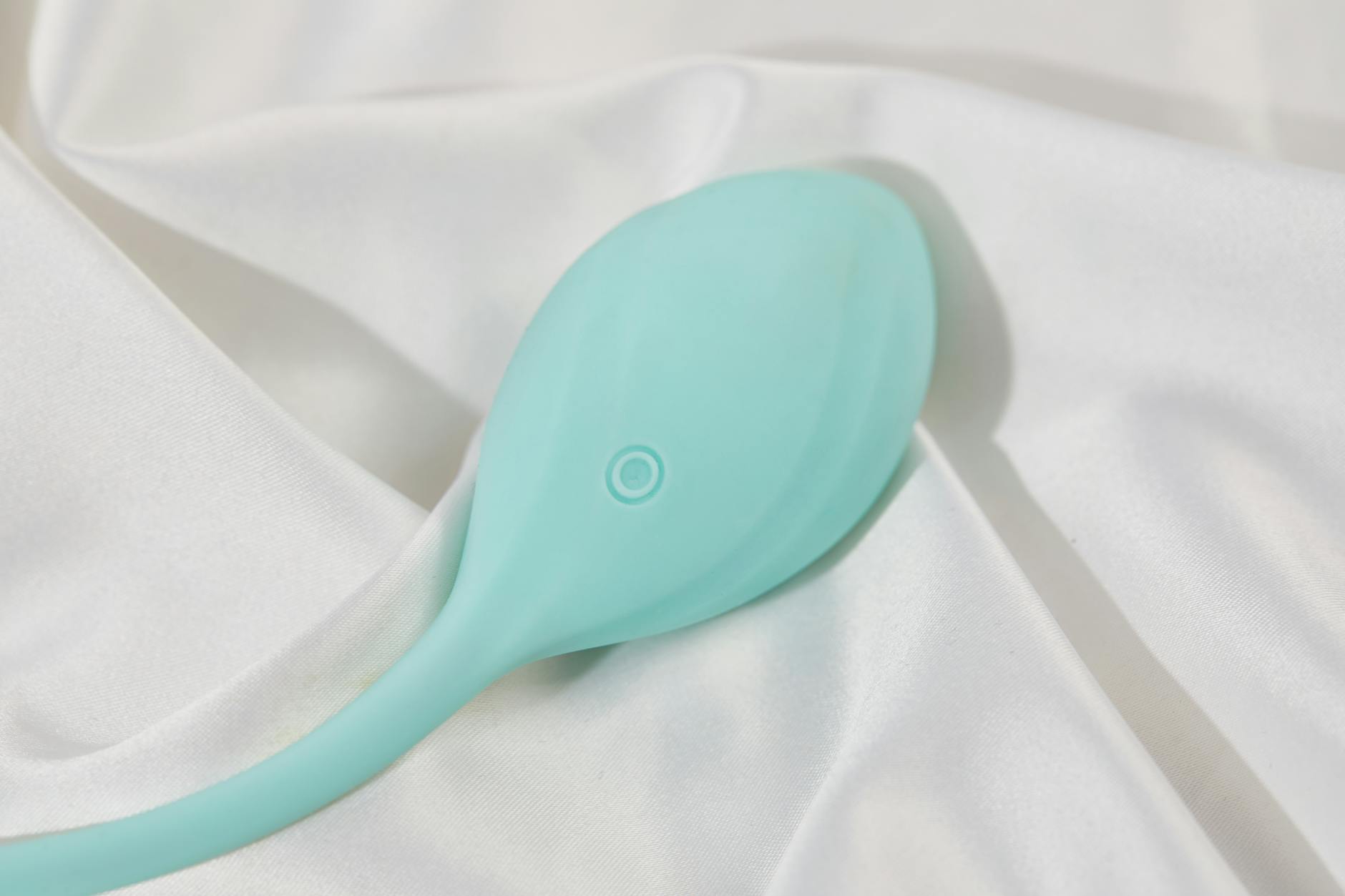
Air-suction technology works differently than conventional vibrators. Instead of direct vibration or buzzing, suction creates a gentle pressure wave that stimulates the nerves around the clitoris without aggressive friction against delicate tissue.
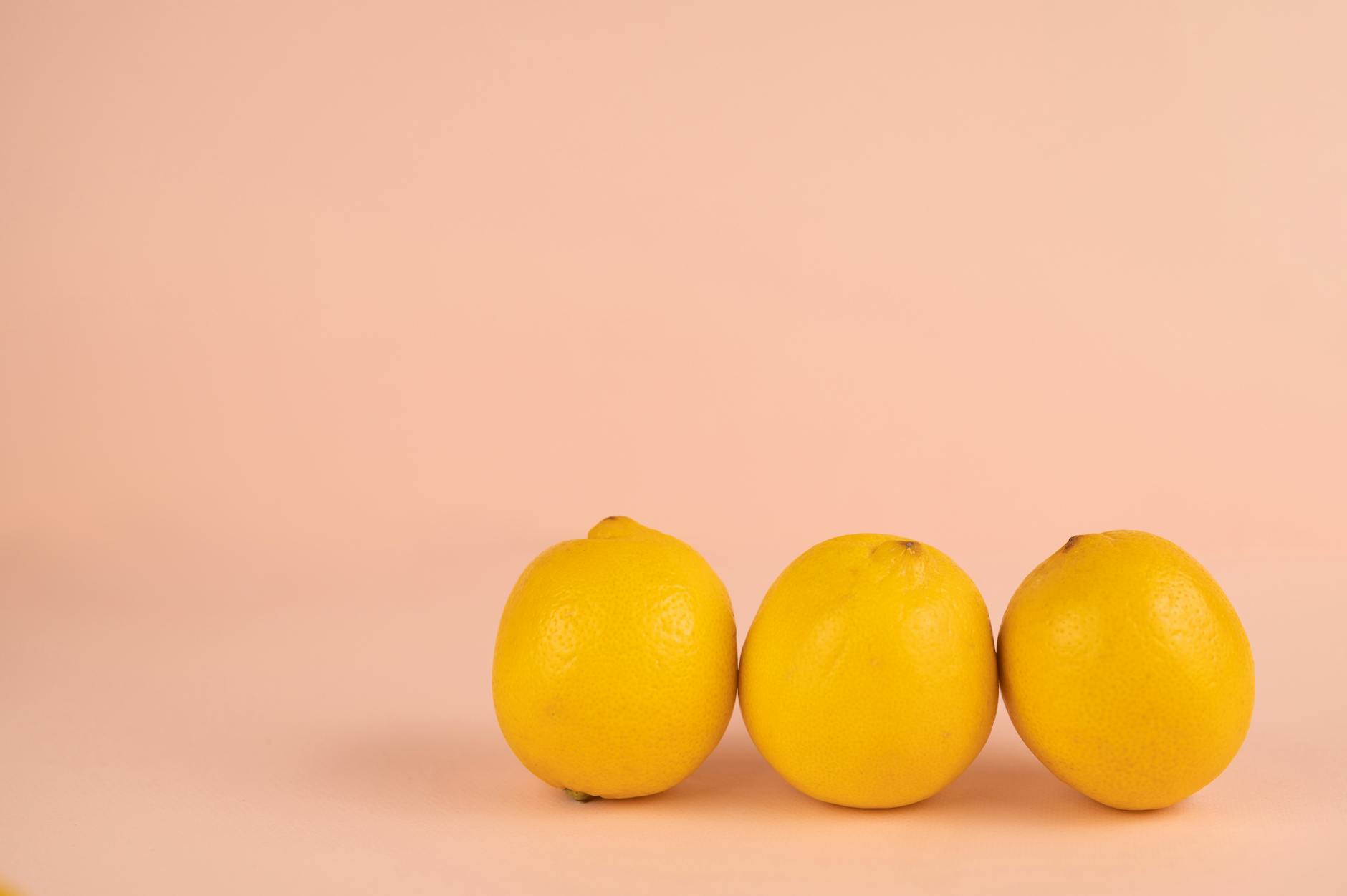
Think of it this way. A traditional vibrator is like a jackhammer. It pounds. An air-suction lemon clitoral vibrator is more like a kiss. It creates rhythmic pressure and release without the wear-and-tear.
For post-menopausal bodies, this matters enormously. You get intense, sustained pleasure without the rawness that can come from direct contact on thinner tissue. Many of my clients report that air-suction vibrators like the Lem deliver their most powerful orgasms in decades, because the design works with how their body responds now, not against it.
Here's what happens during arousal after menopause. Blood flow to the area is slower to build, which means you need either more time or more targeted stimulation to reach full engorgement. Direct vibration sometimes feels like it's vibrating past the sweet spot instead of landing on it.
Air-suction stimulation, by contrast, creates consistent pressure on a wider surface area. This builds arousal more steadily and often feels less like "buzzing" and more like purposeful, intentional touch. For people whose tissue is more delicate, that difference is significant.
It's also why many people find they can use air-suction vibrators for longer periods without discomfort or irritation. The gentler pressure doesn't create the micro-friction that can leave tissue feeling sore afterward.
I always tell my clients this: lubricant is not a sign that something's wrong with you. It's a tool that makes pleasure more reliable. After menopause, using lube is often the difference between a mediocre experience and a great one.
Water-based lubricant works best with silicone lemon clitoral vibrators because it won't degrade the material. Apply it generously before you start, and reapply as needed. This is not extra. This is essential.
Many post-menopausal people also find that their arousal happens differently now. You might need more mental engagement, more foreplay with a partner, or more time solo with the vibrator before things feel fully responsive. That's not a problem. That's just information about how your pleasure works now.
Most lemon sexual toys come with multiple intensity levels. After menopause, you'll often find that lower settings feel better than maximum intensity. This is because your tissue doesn't need a jackhammer to feel good. It needs precision.
Start at pattern one or two. Notice what happens. Your body will tell you if it wants more intensity, and you can adjust up. But starting low and building up prevents that overwhelming-too-much feeling that sometimes happens with new tools.
The beauty of having intensity control is that pleasure becomes a dial, not an on-off switch. You can explore what actually feels best instead of assuming you need maximum power.
If you're navigating menopause with a partner, this is worth a conversation. Not because you're broken, but because your body's responsiveness has shifted, and the best partners want to know that. You might need more warm-up time. You might prefer certain positions. You might want to explore lemon vibrators together or solo.
Most importantly, you're not trying to get your pre-menopausal body back. You're building new pleasure with the body you have now. That's a collaborative process if there's a partner involved, and it's a solo gift to yourself if you're exploring alone.
There's no perfect time. There's just the time you decide to try something different. Some people introduce a new tool right when menopause starts. Others wait until they notice that their usual approach isn't hitting the same anymore.
If you're curious about air-suction technology, starting with a lemon vibrator is sensible because the design is specifically engineered for sensitive tissue. You can read more about specific devices in the buying guide, which breaks down different options and how to choose.
Most importantly, don't wait until pleasure feels broken to explore. Menopause is actually the perfect time to experiment, because your body is already asking you to pay attention and adjust. That awareness is a superpower.
Yes. Air-suction vibrators are designed for gentler stimulation, which makes them ideal for thinner, more sensitive tissue. Just use water-based lubricant and start at lower intensity levels. If pain occurs during use, stop and consider seeing a menopause-trained healthcare provider.
You can, but talk to your doctor first. If your tissue is very irritated or painful, topical estrogen cream might be a better starting point. Once that's addressed, air-suction devices are often easier to use than traditional vibrators because they don't rely on friction.
As often as you want. There's no limit. Some people use lemon vibrators daily, others weekly. Your pleasure is yours to explore. Just make sure you're cleaning the device between uses and listening to your body for any signs of irritation.
Not in the way you might think. Your capacity for sensation doesn't disappear. What changes is the type of stimulation that feels best. Many people find that after menopause, they prefer slower, more focused pressure over rapid buzzing. Air-suction technology is designed exactly for that.
Always. Water-based lubricant is your friend after menopause. It reduces friction, makes the experience more comfortable, and often makes sensation more intense and satisfying. It's not a compromise. It's a tool that makes pleasure more reliable.
Completely normal. You might notice they're slower to build, more focused in one area, or feel subtly different in intensity or rhythm. That doesn't mean something's wrong. It means your body is responding to a different hormonal environment. Many people report that once they adjust to the new pattern, orgasms feel deeper and more satisfying than before.
Menopause doesn't end your sexual life. It invites you into a new chapter. Your tissue changes. Your responsiveness shifts. Your preferences might evolve. And all of that is information, not a loss.
Lemon vibrators exist partly because someone noticed that post-menopausal bodies need different tools. Air-suction technology was literally designed for sensitivity. That's not settling. That's getting smarter about your own pleasure.
The pleasure you have access to now might be quieter, slower, more focused. It might also be more intense, more available, more yours than it's ever been. The only way to know is to show up with curiosity, good lubricant, and a tool that actually works for your body now.