You've been together for years. The passion didn't explode in a fight. It just... quieted. Somewhere between the mortgage, the kids, the routines, and the exhaustion, sex became another box to check. Or it stopped happening altogether. This isn't failure. It's drift. And here's what most couples get wrong about fixing it: they think the problem is sex. Actually, the problem is usually that you've stopped talking about sex. You've stopped together.
Drift happens in stages. First, someone feels awkward or unseen. Then that person stops initiating. Then the other person starts interpreting that silence as rejection. Then both of you stop trying because trying feels dangerous. Over time, the bedroom becomes a place of tension instead of refuge. Sex becomes transactional, if it happens at all.
Here's the data point nobody mentions: research shows that couples who openly discuss sexual preferences report higher relationship satisfaction across all dimensions. Not just sexually. The act of talking about desire—what you want, what you're curious about, what scares you—rebuilds the foundation that drift cracked.
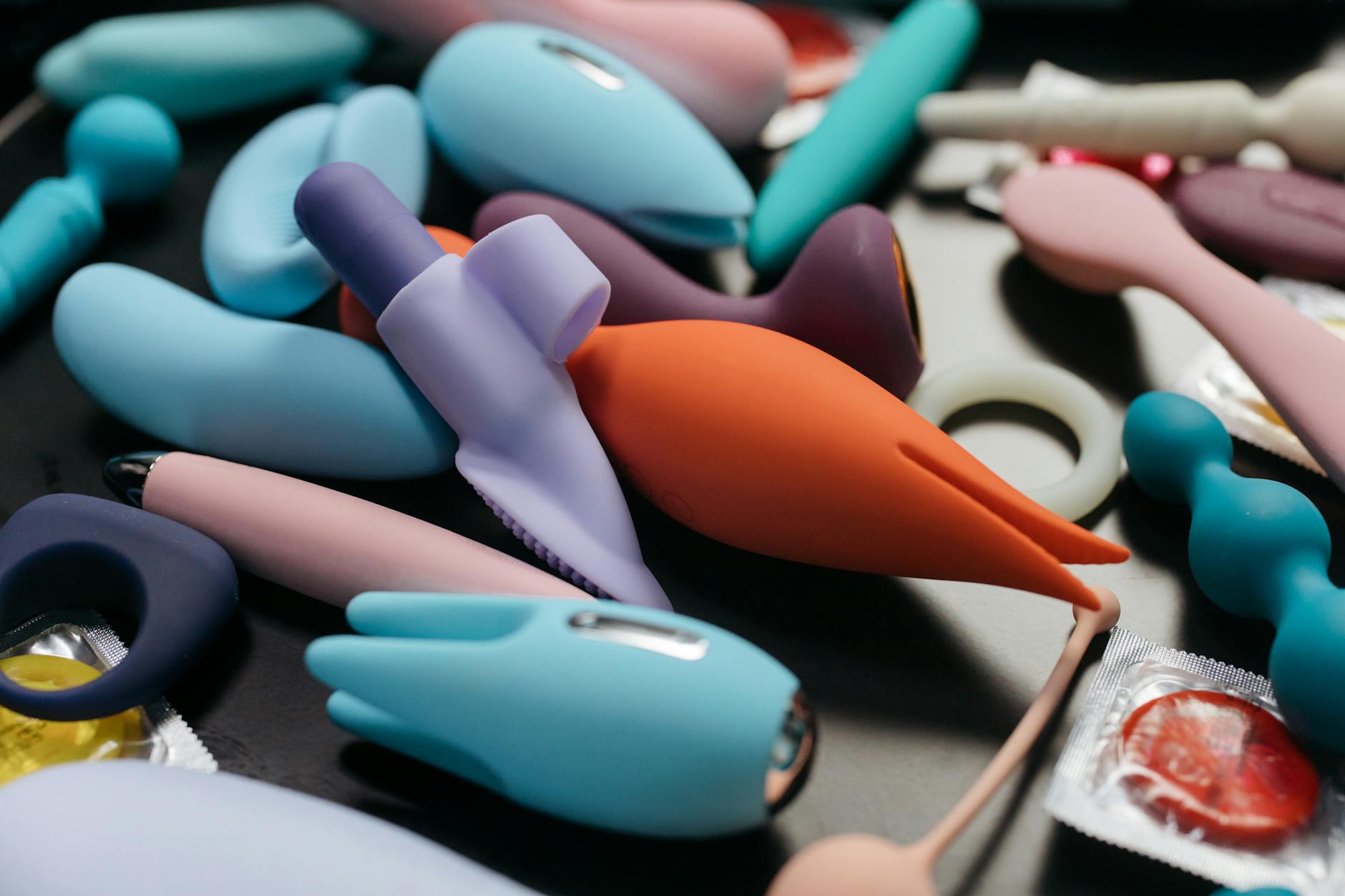
A lemon vibrator is a really good conversation starter because it's not threatening. It's not a giant announcement that "sex is broken." It's a small, specific, curious question: "Want to try something?"
Timing matters. Not during sex. Not during a fight. Introduce the idea when you're both relaxed, away from the bedroom.
"I found something I'm curious about. No pressure. But I'd like to try it together and see what we think." That's actually the whole script you need.
Some couples find it easier to bring it up during something lowkey—a walk, cooking dinner, even sitting on the couch. The rule is: don't make it a big production. That turns curiosity into performance anxiety.
If your partner seems hesitant, ask why. Don't defend. Just listen. The objection—"I feel like I'm not enough," "It feels weird," "I'm not sure I want to"—is more useful than agreement. Those are the actual conversations that rebuild connection.
Lemon vibrators work as a reconnection tool because they're designed to be collaborative. A lemon clitoral vibrator doesn't replace a partner. It brings a partner closer.
The most effective way couples use them: one partner holds the vibrator, and the other person directs. This flips the power dynamic from "I need this," which can feel lonely, to "I want to explore this with you," which feels collaborative. You're not both staring at the ceiling in silence hoping it ends. You're looking at each other. You're communicating in real time: "More," "Slower," "Here."
That eye contact and feedback loop is what reconnects. The vibration is just the excuse.
It probably won't be perfect. You might feel self-conscious. The toy might seem intimidating or silly. Your partner might feel worried they're "supposed to" do something specific. These are all normal. Normal doesn't mean it's not working.
Start with low intensity. Spend 15-20 minutes. Don't have orgasm as the goal. The goal is to notice what feels good and to narrate it to each other. "That feels good," "Less pressure there," "I like this on the left side." This feedback—which you may never have given each other—is the whole point.
After, talk about it. Not a performance review. Just: "How did that feel?" and "Do you want to try again?" Simple questions. Listen more than you speak.
Drift didn't happen in one night. Reconnection doesn't either. The second time you use a lemon vibrator together, you'll already have language for what you liked. You'll be less nervous. You might take more time. You might laugh. You might discover that you actually want something else entirely, which is fine. You're talking again.
Some couples find that using lemon sexual toys together a couple of times resets their baseline enough that they start having sex differently even without the toy. The awkwardness lifts. The permission returns. That's not the vibrator working magic. That's you remembering that your partner wants you.
If the first session doesn't lead to a second one, or if your partner was reluctant and now seems even more withdrawn, the problem probably isn't the toy. It's something deeper. Maybe resentment that hasn't been named. Maybe your partner feels criticized. Maybe there's an unresolved conflict about something else entirely.
This is the moment to consider whether you need a couples therapist before you try the vibrator again. I say that not as doom. I say it because some couples actually need to rebuild trust first. And that's not shameful. That's honest.
If one of you feels pressured—"You keep bringing up the toy, I've said no"—pressure becomes a form of breach. Stop. The tool isn't working if it's creating distance instead of closing it.
A lemon clitoral vibrator can't fix a broken relationship. It can't replace communication. It can't resolve infidelity or deep resentment. What it can do is create a moment of curiosity and vulnerability in a couple that's forgotten how to have those together.
It signals: "I still want you. I want to be adventurous with you. I want us to feel good together." That signal matters more than the vibration itself.
Some couples reconnect through couples therapy. Some through a vacation. Some through rebuilding communication after years of avoidance. Some through a toy that feels small and curious and low-stakes enough to break the silence.
All paths are valid. The lemon vibrator is just one door back to each other.
Once you've tried it together, some couples find that using lemon vibrators becomes part of their regular rhythm. Not every time you have sex. Maybe once a month. Maybe once every few weeks. Think of it as you'd think of date night. It's not the only way you connect. But it's a scheduled, intentional moment where you're both showing up as curious, present versions of yourselves.
Other couples try it once or twice, feel reconnected, and never need it again. Both are fine. The goal isn't to use the toy forever. The goal is to use it as a catalyst to remember that you like each other, and that you like wanting each other.
Don't push. Ask once more why. Listen without defending. "I feel like a toy means something is wrong with me" is important feedback. So is "I'm not comfortable with change." Those conversations matter more than the toy. If they're genuinely not interested after a real conversation, you have your answer. The real reconnection work might need to happen somewhere else first—maybe with a therapist who specializes in couples.
No. It means you're curious. It means you're willing to experiment. If anything, couples who bring toys into the bedroom together are demonstrating vulnerability and openness—two things that make relationships stronger. Broken is when you stop trying. Using a lemon vibrator means you're trying.
Only if you let it. The tool should feel optional, not mandatory. The minute using a lemon clitoral vibrator starts feeling like a chore or a pressure, you've lost the reconnection benefit. Bring it out when you both feel open to it. Leave it in the drawer when you don't. That choice is part of healthy couples sexuality.
Sometimes couples who have a strong sexual baseline find that when they reconnect with older tools or rituals, it feels nostalgic and bonding. You're returning to a version of your relationship that felt good. That's powerful. If toys were part of your history together, they might be part of your forward path too. The difference is you're choosing them together again, intentionally, instead of out of habit.
No. But it can reveal whether there's something left to work with. If you use it together and feel a spark of connection or curiosity, that's a sign that reconnection is possible. If you use it and feel nothing, or if one of you is so guarded or resentful that even this feels unsafe, then the real work is something deeper. Sometimes a vibrator clarifies what you already know.
There's no formula. Start with monthly if you're nervous. Some couples find they want to use them more frequently once they lose the embarrassment. Others prefer them as an occasional reset. The key is that both of you feel genuinely open to it. The moment it becomes obligatory, stop. Connection can't be scheduled. It can only be invited.
I've worked with hundreds of couples who've drifted. The ones who find their way back have one thing in common: they talk. Really talk. About what they want. What they're scared of. What they miss. What they hope for.
A lemon vibrator is just permission to start that conversation in a way that feels curious instead of confrontational. "I want to reconnect with you" is vulnerable. "I want to try this toy with you" feels smaller, easier, more like an invitation than a demand.
That shift—from confrontation to curiosity—is where reconnection begins. The toy is just the opening line. What you do with the conversation after is the real work.