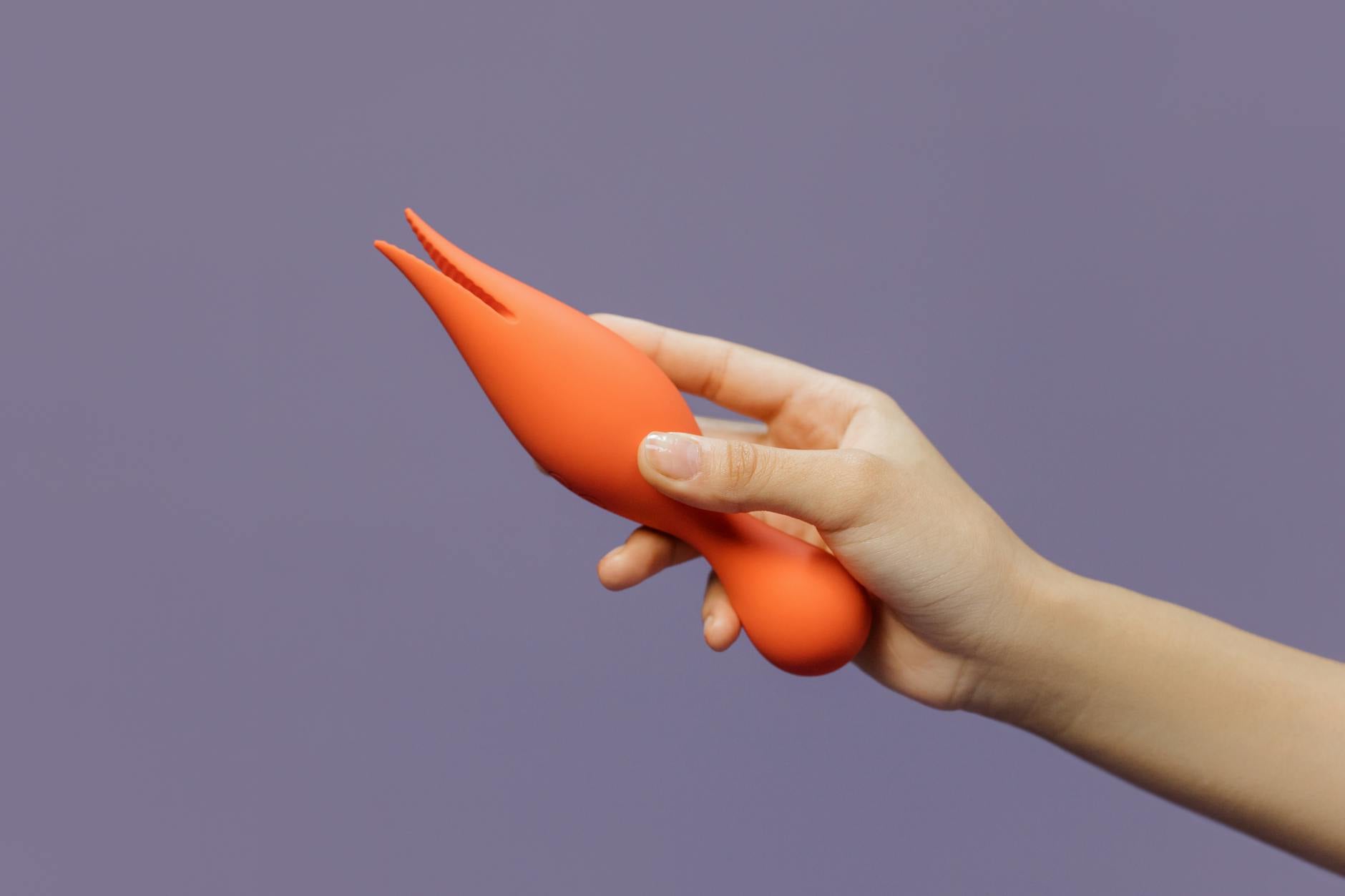
Divorce rewires you. Your body becomes a place you might not fully recognize. After years of sex that was tangled up with obligation, resentment, or just plain disconnection, the idea of pleasure for its own sake can feel almost illegal. So you step back. You wait. You tell yourself you're healing.
But here's what I see in my practice: the people who heal fastest aren't the ones waiting for permission. They're the ones who quietly, deliberately, decide to get to know themselves again. And often, that starts with solo pleasure.
There's a scientific reason this works. When you're partnered for years, your nervous system learns to read someone else's rhythm, to anticipate someone else's needs. You become excellent at managing another person's experience. But you often lose track of your own signals entirely.
Solo exploration is neurological reset. You're not managing anyone's expectations. You're not performing. You're just learning: what do I actually want? What makes my body respond? What feels good for no reason other than it feels good?
This isn't about avoidance or staying single forever. It's about rebuilding what got lost. The brain's capacity for pleasure, the body's ability to trust itself again, the sense that your sexuality belongs to you.
Many women I work with haven't used a vibrator solo before. The thought feels awkward, maybe even uncomfortable. Let's talk about why lemon vibrators, specifically, make this easier.
They're designed for external clitoral stimulation, which means lower stakes. You don't need to think about insertion or internal sensation. You're just exploring what suction and gentle vibration feel like against tissue that might have been ignored for years.
The Lemon Clitoral Vibrator uses air-suction technology. This creates a different sensation than traditional vibration. It's less buzzy, less mechanical. Many people describe it as gentler, more like a rhythmic pulse than a tremor. If your clitoris feels numb or overstimulated from years of inconsistent or pressured sex, this slower introduction can feel less jarring.
Start at the lowest setting. Really start there. There's no prize for jumping to intensity levels 3 or 4. You're not in a race.
Here's where most solo exploration fails: people treat it like a task. Tuesday night at 9 p.m., scheduled pleasure. That's not how your nervous system works.
Instead, create friction-free access. Keep your lemon vibrator somewhere you'll see it. On your nightstand. In a drawer by your bed. Not hidden away like contraband. When you see it regularly, your brain stops making it a Big Deal.
Set a very low bar for what counts as a win. Five minutes of exploration counts. Ten minutes of just touching yourself with no goal of orgasm counts. An orgasm that takes 20 minutes instead of 3 counts. You're not measuring against past partners or past versions of yourself. You're measuring against yesterday.
Many women find that the first few times, pleasure feels weird or guilty. That's normal. You spent years with someone else's voice in your head (even if you're not hearing it anymore, the internalized version is still there). Pleasure for yourself alone can feel almost defiant. Let it. Defiance is healing.
In partnered sex, especially after divorce, you've likely been managing the other person's experience: their timing, their preferences, their hangups. Your own arousal becomes secondary data.
When you're solo, your arousal is the only data. You notice things. You notice that you need 15 minutes of foreplay, not 3. You notice that a certain type of touch makes your nervous system relax. You notice that orgasms feel different depending on your cycle, your stress level, whether you've eaten, whether you've slept.
Lemon vibrators are useful here because they let you focus. You're not managing someone else's arousal. You're not waiting for someone to finish. You can take your time. You can change your mind. You can stop and start 15 times if that's what feels good.
When you start touching yourself for pleasure after divorce, emotions show up. Sometimes they're good. Sometimes they're complicated. You might feel grief, because your body remembers years of sex that wasn't truly pleasurable. You might feel anger at the time you lost. You might feel joy, which can feel disorienting if you've been in survival mode.
None of this means you're doing it wrong. Emotion during solo pleasure is data. Your body is processing.
I often recommend pairing solo exploration with journaling. Not performance journaling. Just: what did I feel? What was different today? What surprised me? This keeps you connected to the experience instead of letting it stay abstract or shameful.
This isn't about staying solo forever. But there's a reason the order matters. You learn to trust your own pleasure first. Then, eventually, you can teach someone else what you've learned.
If you do partner again, the work you've done solo becomes your vocabulary. You know what your body needs. You're not waiting for someone else to guess. You can say: I need 20 minutes of buildup, I like external stimulation, I don't come from penetration alone, I need multiple types of touch.
That clarity is what makes partnered sex actually work. You're not managing their experience or your own shame. You're two people who know what they want.
Many people find that introducing a lemon vibrator into partnered sex is easier after they've used it solo. The shame has lifted. It's just a tool that works.
Week 1 and 2: Just hold the vibrator. Feel the weight. Turn it on at the lowest setting and explore how it feels against your thigh, your abdomen, anywhere except directly on your clitoris. This sounds boring. It's not. You're learning that this object is yours.
Week 3 and 4: Apply it gently to your clitoris at the lowest setting. No goal. Just sensation. If you orgasm, great. If you don't, that's fine too.
Week 5 onward: Notice what patterns emerge. Do you like a pulsing rhythm or a steady hum? Do you prefer one area or does motion matter? Can you orgasm, or is the pleasure itself the point? All of these are correct answers.
After divorce, pleasure can feel like an act of rebellion. That's not actually a bad thing. It means you're reclaiming something. Your body, your time, your right to feel good.
The women I work with who heal strongest are the ones who stop waiting for permission. They don't need their body to look a certain way. They don't need an orgasm to happen in a certain timeframe. They don't need a reason other than "I want to."
Solo pleasure with a lemon vibrator isn't filling time until a partner arrives. It's the actual work of rebuilding yourself.
Completely normal. You spent years, possibly decades, in a dynamic where your pleasure was tangled up with someone else's approval or schedule. Pleasure that's entirely yours can feel transgressive at first. That guilt usually fades within a few weeks of consistent solo exploration. If it doesn't, talking with a therapist about what pleasure means to you post-divorce can help.
It varies. Some people feel comfortable within days. Others need weeks or months. There's no timeline. What matters is that you're practicing without judgment. The comfort builds through repetition, not through waiting for a certain number of days to pass.
Yes, actually. Air-suction technology like that in the Lemon Clitoral Vibrator often works better than traditional vibration for people whose clitoris feels numb or overstimulated. The sensation is different. That said, if numbness is extreme or accompanied by pain, talk to a gynecologist to rule out medical causes.
Orgasm is not the goal. I know that sounds like a platitude, but it matters. Some people find that orgasm returns after weeks or months of no-pressure exploration. Others find that the pleasure itself becomes the point. Both are healing. If you're genuinely struggling, a therapist who specializes in sexuality can help you explore what might be blocking you.
No. Solo pleasure and partnered pleasure aren't mutually exclusive. Some people use vibrators solo, then stop when they're in a relationship. Others use them with a partner. Others use them throughout their life. It's all normal. Solo exploration doesn't indicate anything about your readiness except that you're interested in pleasure.
Depends on your living situation. If you have privacy, there's no need for discretion. Keep it on your nightstand. If you live with others or worry about privacy, a small locked drawer, a cosmetics bag, or a dedicated box works fine. Clean it after each use with warm water or a toy cleaner, let it dry completely, and store it somewhere cool and dry.
Rediscovering pleasure after divorce is one of the most grounded acts of self-care you can do. It's not about waiting. It's not about shame. It's about learning that your body, your desires, your sexuality all belong to you. A lemon vibrator is just a tool. But it's a tool that helps you do that work, one sensation at a time.