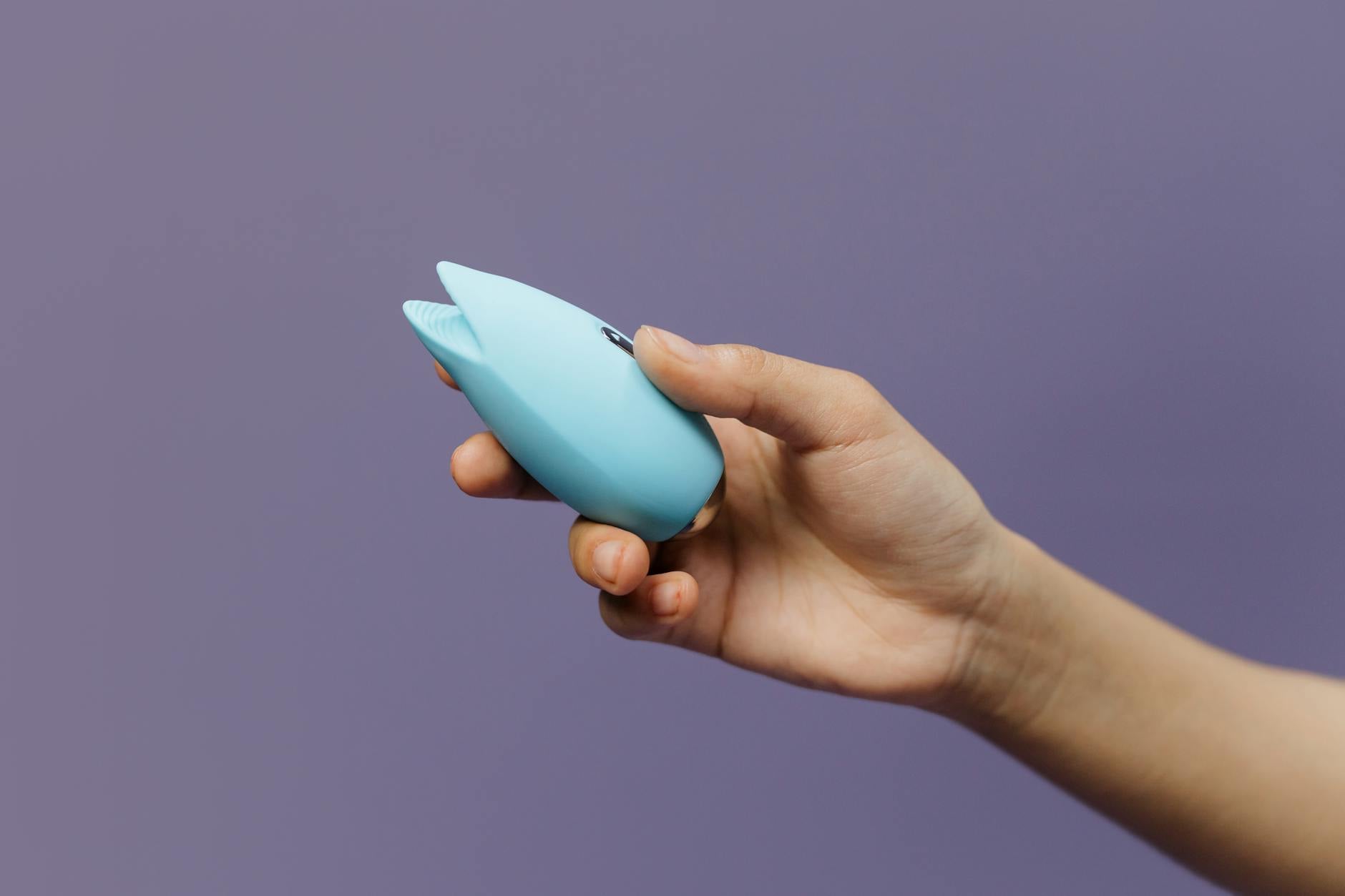
How to Use Lemon Vibrators When You Feel Shame About Pleasure
Shame around your own pleasure isn't a character flaw. It's learned. Here's how to unlearn it, and why lemon clitoral vibrators are a tool for reclamation.
Shame about pleasure isn't your fault. It's installed early, quietly, and often without anyone saying a word. Maybe you grew up in a household where bodies were never mentioned. Maybe pleasure was something that happened to other people, not for you. Maybe you learned that wanting things meant you were selfish, or greedy, or broken. Those messages sink in. They become your internal voice.
The thing about shame is it doesn't usually announce itself. It masquerades as common sense. It feels like facts. You're not scared of pleasure. You're just... practical. Cautious. Responsible. Except caution that keeps you from your own satisfaction isn't caution. It's loss.
Your brain and body are not separate systems. When shame activates, your nervous system shifts into a protective state. Arousal requires the opposite. It needs you to be parasympathetic. Relaxed. Present. Safe. Shame creates a constant low-level alarm that says: this isn't safe, don't feel, don't want, don't take up space.
This isn't abstract. Studies in sexual therapy show that people who carry shame about pleasure experience measurably lower arousal responses, longer time to orgasm, and reduced sensation even when they're alone. The shame doesn't wait for an audience. Your body absorbs it.
When you try to push through shame with willpower alone, you're working against your own nervous system. That's exhausting. It's also why lemon clitoral vibrators aren't just tools for sensation. They're tools for rewiring what your body believes about pleasure.
Lemon vibrators work differently than traditional vibrators because they use gentle suction rather than direct vibration. That difference matters when shame is in the picture.
Direct vibration can feel aggressive, especially if you've internalized the idea that pleasure should be earned or controlled. Suction feels more like something is drawing you toward sensation, rather than you having to grab it. It's subtle, but that distinction reverses the shame narrative. You're not being greedy. Something is inviting you. There's permission baked into the mechanism itself.
Start at the lowest suction setting. Pattern 1 on a lemon vibrator is genuinely gentle. It's not going to overwhelm your body with sensation while your nervous system is still suspicious of pleasure. You're teaching your body that slow, curious exploration is safe. That you can experience sensation without performance, without proving anything.
One of the most useful mental shifts I work through with clients is separating pleasure from morality. Pleasure isn't virtuous. It's not evil. It's information. Your body is telling you something works, something feels good, something is worth repeating.
When you feel shame rising during solo play, try this: notice it without judgment, and then ask your body a question instead of making a statement. Instead of "I shouldn't be doing this," try "What does my body actually need right now?" Instead of "This is selfish," try "What happens if I pay attention to what feels good?"
Using a lemon vibrator while you're practicing this shift is powerful because the device doesn't have an opinion about you. It has no judgment. It simply responds to your body. That consistency helps reprogram the shame voice that does have opinions.
If shame is significant for you, starting solo is non-negotiable. This isn't about being antisocial. It's about building evidence in your own nervous system that pleasure is yours, that it's safe, that it doesn't require external permission.
Set aside 20 to 30 minutes where you won't be interrupted. Not because pleasure needs to be ceremonial, but because shame thrives in fragmentation. Your brain can't rewire itself in stolen moments while you're listening for footsteps. When you have protected time, your nervous system can actually relax.
Start with your lemon clitoral vibrator on the lowest setting. Move it slowly. Notice what pattern feels interesting, what rhythm makes you lean in. This is exploration, not performance. If you feel the shame voice getting loud, that's not a sign to stop. That's a sign your nervous system is noticing something is changing. Breathe. Stay present.
Many of my clients report that after a few weeks of consistent solo exploration with a lemon vibrator, the shame voice gets quieter. Not because they're fighting it, but because their body has accumulated evidence that pleasure is safe.
Shame often lives in a specific story: my body is wrong, or my desires are wrong, or wanting things makes me wrong. A lemon vibrator won't rewrite that story on its own. But it can interrupt it.
When you're experiencing sensation through a device designed specifically for your pleasure, you're getting repeated data points that contradict shame. Your body isn't wrong. Your desires aren't selfish. Pleasure is a legitimate part of being human.
If you have a partner, this foundation matters. You can't give them permission to love your pleasure if you don't believe you deserve it. Building pleasure alone first means that when pleasure becomes partnered, you're not starting from a deficit. You're bringing evidence.
Some shame runs deeper than generic "good girls don't" messaging. Some of it is connected to specific religious or cultural teachings about bodies, sex, and women's roles. That's real, and it deserves real attention.
I'm not asking you to abandon your beliefs. What I'm suggesting is interrogating the specific beliefs that tell you your pleasure is shameful. A lot of people discover, on closer inspection, that the shame isn't actually coming from their faith. It's coming from someone else's interpretation of it, absorbed when you were too young to question it.
A lemon vibrator is still just a tool. It doesn't fix theology. But working with a therapist who understands your cultural background while you rebuild your relationship with pleasure can be genuinely transformative. The vibrator gives your body something to do while your mind rewires.
Once you've spent time alone reclaiming your pleasure, integrating a lemon vibrator into partnered sex becomes different. You're not introducing it to compensate for shame. You're introducing it because you've already learned your body deserves attention.
This shifts the dynamic. Instead of "I need this because I'm broken," the conversation becomes "I want this because I know what I like." That's a completely different energy, and partners feel the difference.
If your partner wants to explore together, great. But that conversation is easier to have when you've already done the foundational work of believing your pleasure is legitimate.
Shame is treatable. But some shame is entangled with trauma, or with very specific religious harm, or with deep family patterns that lemon vibrators alone won't touch. There's no weakness in that. It just means you need more than a vibrator.
A sex-positive therapist or a couples therapist trained in sexual health can help you untangle the roots of shame in ways that a device can't. Therapy and lemon vibrators aren't either/or. They're both tools.
If you find that shame is preventing you from using a vibrator at all, or if you're experiencing anxiety that makes arousal difficult, that's worth exploring with a professional. You deserve support that meets you where you actually are.
Here's what I want you to know: you don't need to earn your pleasure. You don't need to prove you're virtuous enough. You don't need to apologize for wanting to feel good.
Shame tells you that pleasure is something you should hide, should control, should feel guilty about. Reclamation is learning, incrementally, that your pleasure is legitimate. Your body is legitimate. Your desires are legitimate.
A lemon vibrator is just a tool. But it's a tool that says: your pleasure matters. Your sensation matters. You matter. Use it however serves you. Slow, fast, alone, partnered, whenever you're ready. Your body has been waiting for permission. Give it to yourself.
Completely normal. Shame around pleasure is incredibly common, especially if you grew up in environments where bodies or sex were taboo. That guilt isn't evidence that you're doing something wrong. It's evidence that you've internalized messages about pleasure being something other people deserve, not you. A lemon vibrator can actually help you practice separating that guilt from the sensation itself. Start small, go slow, and notice that nothing bad happens when you feel good.
There's no standard timeline. Some people notice a shift in a few weeks of consistent solo play. Others take months or years, especially if shame is connected to trauma or deep religious conditioning. What matters is consistency and self-compassion, not speed. A lemon clitoral vibrator can be part of that process, but working with a therapist often accelerates the work. Be patient with yourself.
A partner can be supportive, but they can't fix shame for you. Shame is something you have to rewire in your own nervous system. What a partner can do is respect your process, avoid pressure, and celebrate your pleasure without making it about them. If your partner is helpful, involve them after you've built your own foundation. If they're critical or pressuring, addressing that dynamic with professional support matters before introducing a vibrator into the equation.
That shame often comes from the belief that sex toys are somehow inauthentic or that "real" pleasure should come without tools. That's a myth. A lemon vibrator isn't a substitute for pleasure. It's a tool that helps your body access what it's already capable of. Glasses aren't inauthentic vision. A vibrator isn't inauthentic pleasure. It's just an amplifier. Your body knows the difference.
Yes, measurably. Shame activates your sympathetic nervous system. the "fight or flight" response. Arousal requires the parasympathetic system, the "rest and digest" state. When shame is running, arousal is difficult or impossible. That's not a personal failing. It's biology. Rewiring shame, even slowly with a lemon vibrator and solo practice, literally changes your nervous system's response to pleasure.
If shame is preventing you from enjoying your body, from using a vibrator, from being present during sex, or from communicating with a partner about pleasure, that's worth professional support. If shame is connected to trauma, religious harm, or family patterns you can't untangle alone, therapy is genuinely helpful. A sex-positive or trauma-informed therapist can work specifically with shame. You don't have to figure this out solo.