One partner reaches for sex three times a week. The other is happy once a month. One initiates constantly and feels rejected; the other feels pressured and shuts down further. This isn't a bedroom problem. It's a connection problem wearing a sex problem's costume.
Here's what most couples assume: one person wants sex more because they're naturally higher-libido, and the other wants it less because they're lower-libido. That's sometimes true, but it's rarely the whole story.
Desire gaps widen because of three overlapping forces. First, responsive desire versus spontaneous desire. Some people wake up horny and initiate. Others need to be touched, kissed, or mentally invited into arousal. If your partner has responsive desire and you have spontaneous desire, you'll feel like you're always the pursuer.
Second, unresolved resentment. When one partner feels unseen, unheard, or overburdened in the relationship, desire tanks. Not from low libido. From self-protection. The body says no before the mind even registers the request.
Third, touch deprivation in the rest of the relationship. If non-sexual touch is missing between you, sex starts to feel like a performance rather than a continuation of intimacy. The lower-desire partner pulls back harder.
Most couples treat this as a libido problem. It's actually a communication problem masquerading as one.
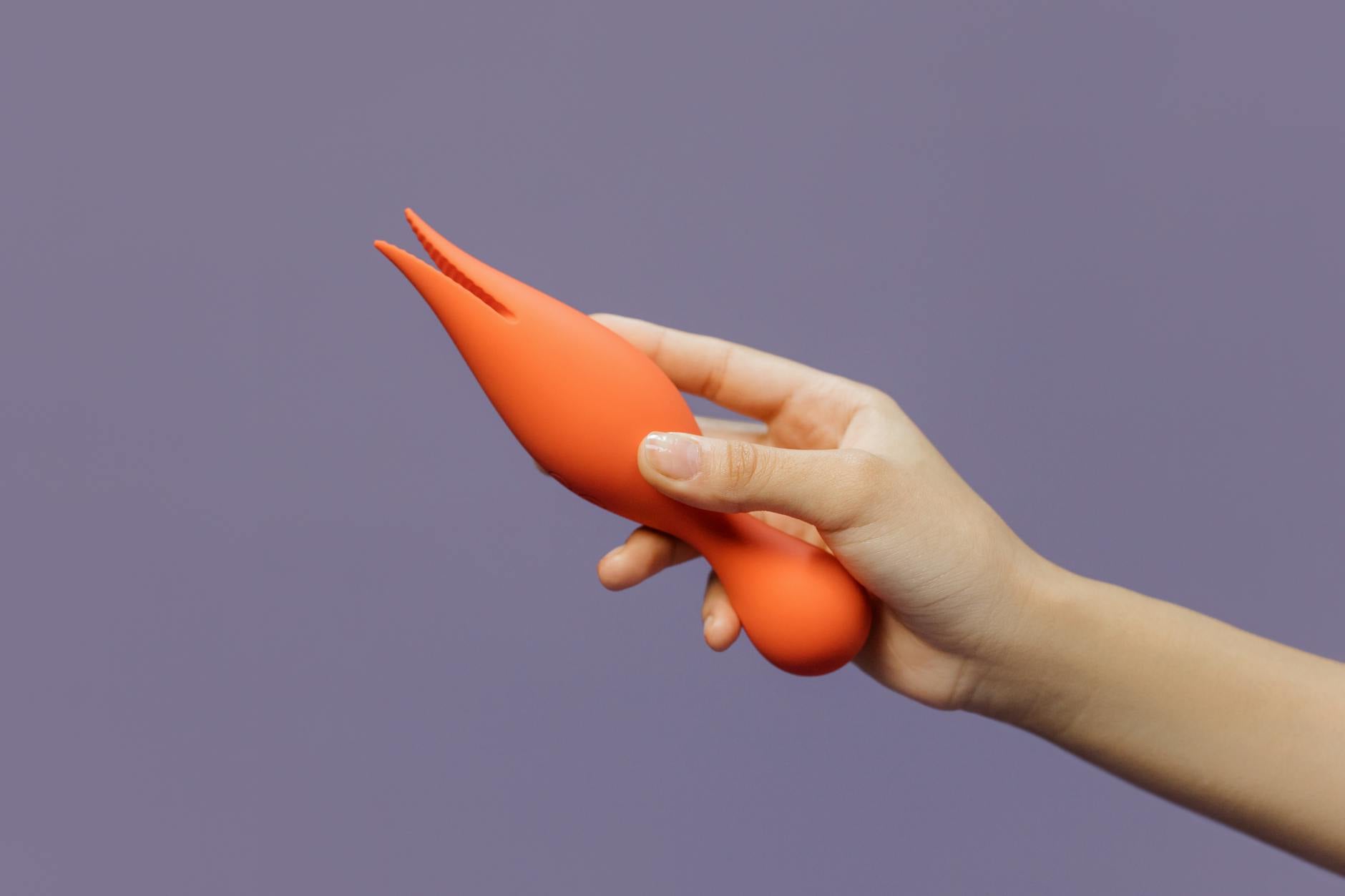
I'm not going to tell you that lemon clitoral vibrators solve mismatched desire. They don't. But they do something more useful: they separate two conversations that keep colliding in your bedroom.
When one partner uses a lemon vibrator solo or during partnered touch, you're no longer forcing the person with lower desire to perform penetrative sex on someone else's timeline. You're allowing pleasure to happen without the pressure of matching energy.
This matters because pressure destroys desire. When the lower-desire partner feels like they have to give, sex becomes obligation. When a lemon sucker or lemon vibrator is in the mix, pleasure becomes something you're both choosing, not something one person is extracting from the other.
The conversation matters more than the toy. Here's what I recommend:
Don't frame it as a fix. "I bought this because I want to close the desire gap" creates pressure. Instead: "I'd like to explore this together, and I think it might help both of us feel less stuck." You're inviting curiosity, not implying something's broken.
Start with solo exploration. The higher-desire partner uses the lemon vibrator alone first. This does two things. It takes the performance pressure off the lower-desire partner, and it gives you time to understand how the toy actually feels. When you bring it into partnered play later, you can speak from experience instead of marketing copy.
Normalize it as part of foreplay, not a replacement. If the lower-desire partner watches, touches, or holds the vibrator on you, it's collaborative, not separate. When your partner wants to explore together, pleasure becomes something you're building together instead of something you're dividing.
Expect awkwardness at first. That's normal. The first time using a lemon vibrator together, someone will probably laugh, or there will be a moment where you both freeze. That's fine. It means you're doing something new, not that something's wrong.
After the toy is in the room, the real work begins. Because lemon vibrators don't fix what's underneath the desire gap.
You need to ask: "What do you need from me outside the bedroom so that sex doesn't feel like a transaction inside it?" This is the question that actually moves things. Maybe it's more non-sexual touch. Maybe it's feeling heard about their work stress before sex happens. Maybe it's knowing that saying no isn't going to spiral into a week of icy silence.
The higher-desire partner needs to understand something too: desire can't be forced. Asking for more sex when your partner's tank is empty just depletes them further. Instead, the higher-desire partner often needs permission to meet some of their own needs independently, which is where lemon sexual toys come in. Not as a consolation prize. As a valid form of self-care that doesn't require your partner's labor.
This reframe changes everything. You're not competing. You're both taking care of yourselves and showing up for each other.
After a few weeks of using lemon vibrators together, a shift often occurs. The higher-desire partner stops feeling rejected because they're no longer waiting for their partner to want them in the exact same way. The lower-desire partner stops feeling pressured because they understand their partner is resourced and content.
Sometimes, weirdly, desire starts to equalize. Not because the lower-desire partner suddenly wants sex three times a week. But because pressure drops, resentment eases, and both partners feel safer. When you feel safe, you want to touch and be touched.
Other times, the desire mismatch stays, but the couple stops suffering from it. They've built a framework where both people's needs are valid. The lemon clitoral vibrator becomes part of the couple's toolkit, not a band-aid.
Before you introduce lemon adult toys into your dynamic, have these conversations:
"When do you feel most connected to me outside of sex?" Listen for what's missing. If they say "when we take walks" or "when we cook together," that's your roadmap. Increase that touch and time.
"What makes you feel pressured about sex?" Be ready to hear hard things. You might be moving too fast, or not checking in, or always initiating at the same time. Let them be honest without defending yourself.
"What would make you want to explore this together?" If they're hesitant about lemon vibrators, don't push. Desire is informed by safety. If they don't feel safe, a toy won't change that.
"What does pleasure look like to you right now?" This is different from "Do you want to have sex?" It opens the conversation from obligation to preference.
You might need a therapist to have these conversations well. That's not a failure. That's pragmatism.
As often as feels good. There's no rule. Using a lemon clitoral vibrator solo isn't a betrayal of the relationship. It's part of taking care of your own body. What matters is that both partners understand this and that it doesn't become a substitute for emotional intimacy. Some couples find that the higher-desire partner using a lemon sucker a few times a week eases the tension around initiation because neither person feels like sex is always on the table.
Possibly, if it's not discussed first. That's why the conversation is critical. If the lower-desire partner feels like you're choosing the vibrator over them, resentment deepens. But if you frame it as "I want to take pressure off you and meet my own needs," most partners understand. The key is making sure the vibrator is additive to your connection, not a workaround to avoid talking about what's actually wrong.
Then don't push them right now. Desire mismatches often come with shame or judgment already in the room. Adding "and my partner thinks I'm weird" doesn't help. Instead, focus on the non-toy conversation first. Once your partner feels safer and more connected, they might be curious. Curiosity comes after safety, not before.
No. Using a lemon clitoral vibrator during foreplay or sex is collaborative pleasure, not infidelity. If your partner is present, touching you, or even just present in the room while you use it, that's shared intimacy. The line is when you're using it as a secret or as a way to check out emotionally. If your partner doesn't want vibrators involved at all, that's a boundary to respect.
They might not. This could be a sign that your partner's lower desire is situational: they want sex in the abstract but not right now. That's responsive desire at work. Or it could be that they want sex with you when the conditions are right, not on your timeline. Lemon vibrators help when both partners are trying to solve this together. If your partner isn't willing to engage with the question at all, that's the actual problem.
Ask them directly. Not "Would you ever use a sex toy?" but "I've been thinking about how we can both feel good without it being stressful. What would that look like to you?" If they're curious or open, you can mention lemon sexual toys. If they shut down, don't force it. The conversation matters more than the toy.
Mismatched desire doesn't mean you're incompatible. It means you're human. Different bodies have different rhythms. Different nervous systems have different capacity for vulnerability at any given moment. The couples who survive desire mismatches aren't the ones with perfectly aligned libidos. They're the ones who stop treating sex like a scorecard and start treating it like a conversation.
Lemon vibrators, when used with intention, are part of that conversation. Not the whole conversation. But a useful tool that says: "I want you to feel good. I want me to feel good. And I'm willing to figure out how we both get there."
If you're stuck in a desire mismatch and feeling resentful, start here: stop trying to make your partner want what you want. Instead, ask what they need to feel safe and connected. Then reach out and talk to someone if you're both willing. That's where real change begins.