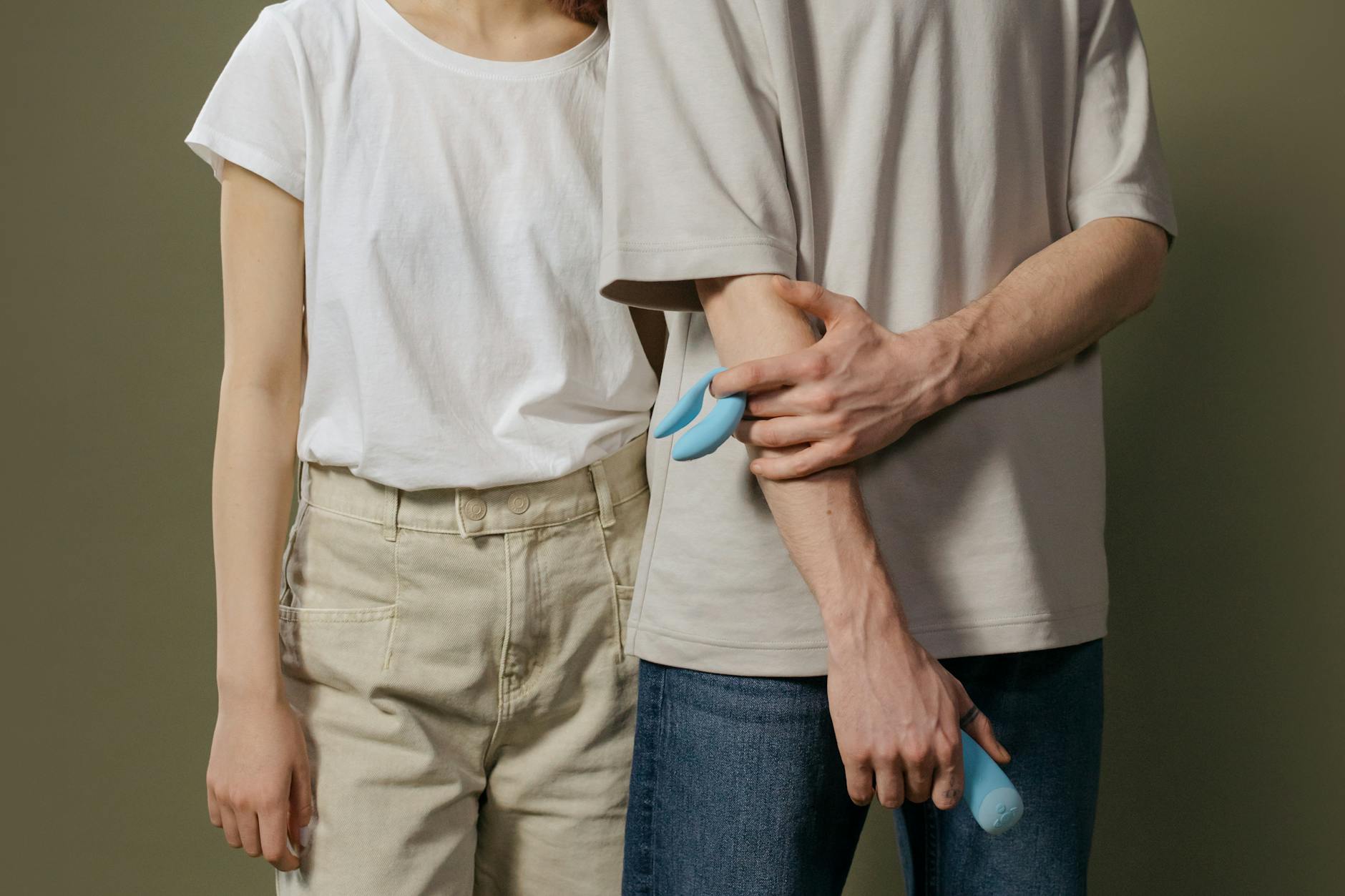
How to Use Lemon Vibrators When Lubrication Is Minimal or Uncomfortable
Low natural lubrication doesn't kill pleasure. Here's what actually works with lemon clitoral vibrators, why timing matters, and when to rethink your approach entirely.
Low or no natural lubrication happens for a lot of reasons. Hormones, stress, medications, dehydration, breastfeeding, even just the time of day. And here's what nobody tells you clearly: it's not a sign your body is broken, and it doesn't mean lemon vibrators won't work for you. It just means you're adding one extra step. The good news? That step completely changes what becomes possible.
I've worked with couples where one partner believed they simply couldn't enjoy clitoral vibrators because of dryness, and within two sessions of finding the right lube and adjusting timing, they were having some of the best orgasms of their relationship. That's not magic. That's just removing friction that shouldn't have been there in the first place.
Let me break down what happens physically. The Lemon vibrator and other clitoral vibrators work by stimulating nerve endings in the clitoris through rapid suction and vibration. Without a buffer, that direct contact can feel too intense, almost raw. Your body tightens up defensively. Arousal actually stops climbing because the sensation registers as uncomfortable rather than pleasurable.
With lubrication, the same vibrator becomes a completely different experience. The lube reduces friction, distributes stimulation more evenly, and lets your nervous system stay in pleasure mode instead of bracing. It's not about making things "wet" for aesthetic reasons. It's about creating the conditions where your body can actually respond.
Think of it like the difference between friction and glide. Friction makes you tense. Glide lets you relax and feel.
Start here: a good water-based lubricant. Brands like Sliquid, Uberlube, and others work fine, but honestly the key is just picking one and testing it. Water-based lube:
Works with all silicone toys, including lemon vibrators (silicone lube can degrade silicone toys over time)
Feels natural and absorbs into skin reasonably well
Washes off easily with water
Dries faster than oil, which some people prefer
The amount matters. You don't need a huge amount, but you do need enough that your clitoris and the vibrator aren't in direct contact with zero barrier. I usually suggest starting with about a quarter-size amount and adding more if needed.
Apply it directly to the vibrator, not just to your skin. This ensures consistent coverage and lets the vibrator glide rather than drag.
If you find water-based lube dries out during longer play, or if your skin is particularly sensitive to water-based products, silicone lube is the upgrade. It stays slippery much longer, requires less reapplication, and feels silkier on skin.
The catch: never use silicone lube with silicone toys. It can degrade the toy's surface over time. So if you're using a silicone lemon vibrator, stick with water-based. If you ever want to explore toys made from other materials, then silicone lube becomes an option.
Some people alternate. Water-based for shorter sessions, silicone-based for longer exploration. Whatever works for your body and your toy materials.
Hybrid lubes are part water-based, part silicone-based. They tend to last longer than water-based alone, while still being compatible with silicone toys. They're a reasonable middle ground if you're annoyed by reapplication but worried about toy damage.
They're typically slightly more expensive than pure water-based, but not prohibitively so. Worth trying if you're in between preferences.
Lubrication isn't just about lube. It's also about arousal timing. If you're using a lemon vibrator when you're not actually aroused yet, no amount of external lubricant fully makes up for that. Your body literally isn't ready.
This is where patience becomes a feature, not a bug. Spend 10-15 minutes on things that build arousal first. Kissing, touch, conversation, fantasy. Let your body actually warm up. Then add the vibrator plus lube.
The combination of real arousal plus good lubrication creates conditions where pleasure actually climbs instead of plateauing. Many people find that minimal natural lubrication plus a little external help plus proper warm-up time feels better than abundant natural lubrication with no warm-up.
If you have sensitive skin, not all lubes feel the same. Some people react to glycerin (common in water-based lubes, can feel sticky or cause irritation). Others find paraben-free or hypoallergenic options necessary. Some notice that warming the lube between your fingers before application feels better than cold lube straight from the bottle.
These are small tweaks, but they're the difference between "this is fine" and "this feels really good." If your first lube doesn't feel right, try another one. There's no universal best. There's just what works for your skin and your preference.
If minimal lubrication is brand new for you, or if it's accompanied by pain or discomfort, that's worth checking in with a doctor about. Hormonal changes, certain medications, or medical conditions can cause this, and they're usually fixable. A gynecologist familiar with sexual health can run simple tests and suggest treatment if needed.
But if you've always had lower natural lubrication and you're otherwise healthy, lube plus timing plus the right vibrator is genuinely all you need. You're not broken. You're just working with your body's actual design rather than trying to force it into a different template.
Low lubrication is also a reason to think about position and angle. Some positions create more pressure and more friction. Others create more glide and less drag. Lying flat on your back or reclined tends to feel smoother with lube and a clitoral vibrator than being upright or on your side, where gravity adds extra pressure.
Also worth knowing: using a lemon clitoral vibrator during partnered sex can work really well with minimal natural lubrication because the vibrator is the active element, not your partner's body. You get stimulation without the added friction that comes from penetration or manual pressure.
See how you feel with different positions. The right angle plus good lube often makes a bigger difference than you'd expect.
Here's what I want to be clear about. If you have minimal natural lubrication, that doesn't mean you're not actually turned on. Lubrication is about tissue response, not desire. You can want something, be mentally engaged and excited, and still have minimal lubrication. Conversely, you can be physically lubricated but mentally checked out.
They're separate systems. Treating them as the same thing makes people feel broken when they're actually just experiencing normal variation. When you separate them, everything gets easier. You can use external lube without it feeling like a failure or a sign something is wrong.
I've worked with so many couples who thought low lubrication meant low desire, and reframed it as "our bodies are different, so we use tools," and suddenly everything felt better. Because they were working with reality instead of against it.
Technically yes, but it's not ideal. Saliva dries quickly and would require constant reapplication. It also isn't as slippery as actual lubricant. A water-based lube does the job much better and you won't be interrupted constantly. Save the saliva for other things.
Yes, many people find warm lube more comfortable than cold lube, especially if you have sensitivity to temperature shifts. Just rub a small amount between your fingers for 10 seconds before application. Don't microwave it or use hot water. Finger warmth is plenty.
No. Moisturizer is designed to absorb into skin, not to create lasting glide. It'll dry out quickly and leave you with the same friction problem you started with. Actual lubricant stays slippery longer because it's designed for that. Worth the investment to grab the real thing.
That feeling often shows up early and fades as you realize lube is just a tool, not a statement about your body. A useful comparison: you probably use toothpaste to brush your teeth and don't feel self-conscious about it. Lube is the same thing. But if it persists, talking through it with a partner or a therapist can help separate the physical tool from the emotional baggage you might be carrying.
Yes. Too little and you're back to friction. Too much and it gets messy and you lose sensation. Start with about a quarter-size drop on the vibrator and add more if you need it. You'll find your sweet spot quickly.
Most water-based and silicone-based lubes are fine for conception. Some lubes (certain oils and spermicides) can affect sperm. If you're actively trying to conceive, check the label or ask your doctor for a sperm-friendly option. There are lubes specifically designed for this.
Low natural lubrication is common and completely manageable. The right lubricant, proper warm-up time, and a clitoral vibrator like the Lemon create conditions where pleasure is absolutely possible. You're not broken. You're just using the right tools for your body's actual needs. That's not less natural. That's working smarter.
If you have questions about what to try first, or if this feels more complicated than it should, reach out. That's what we're here for.