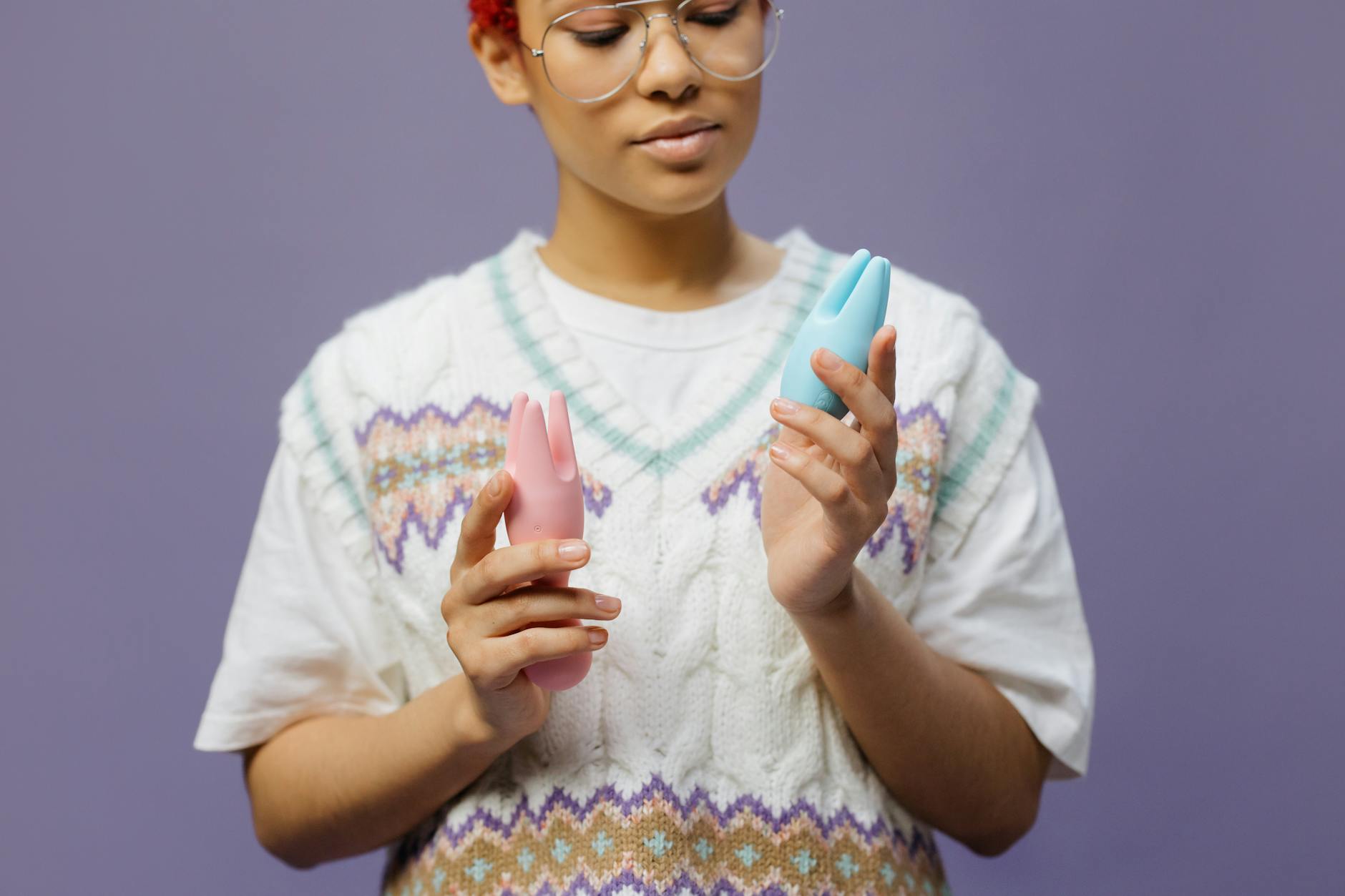
How Lemon Vibrators Help When Your Clitoris Feels Numb or Less Sensitive
Numbness doesn't mean broken. Here's why it happens, what actually restores sensation, and how air-suction clitoral vibrators rebuild pleasure without pain.
You've been with your partner for years, everything works fine, but lately touch just... doesn't land the way it used to. Or maybe you're using a traditional vibrator and it feels good but not transformative. You're not broken. You're experiencing reduced clitoral sensitivity, and it's far more common than you'd think.
Here's what's wild: most of us have never had anyone explain that sensitivity fluctuates. We assume our bodies stay the same, so when sensation shifts, we panic or assume we've done something wrong. Neither is true.
Reduced clitoral sensation happens for several reasons, and honestly, most of them are fixable.
Hormonal shifts are the biggest culprit. Menopause, certain medications, birth control changes, and stress all thin clitoral tissue and reduce blood flow. That tissue gets less responsive to friction because there's literally less of it to respond. This is especially common post-menopause, but it happens at other life stages too.
Repetitive overstimulation is another one. If you've been using the same high-intensity vibrator for years, your nerve endings can develop what researchers call "habituation." Your nervous system essentially learns to ignore the signal because it's the same every single time. The clitoris adapts. It stops paying attention.
Pelvic floor tension is more subtle but equally important. When your pelvic floor muscles are chronically tight (from stress, trauma, or years of bracing), they restrict blood flow to the clitoris. Less blood means less sensation. This is why relaxation often restores feeling before any other intervention.
Stress and disconnection matter too. When you're anxious or emotionally distant from your body or partner, your nervous system pulls away from pleasure. Sensation requires activation of the parasympathetic nervous system (your "rest and digest" mode), and chronic stress keeps you in fight-or-flight instead.
Most vibrators use direct vibration or friction. They're fast, intense, and they work brilliantly for some people. But if your clitoris is numb or less responsive, that approach often backfires. High friction on thinner, less sensitive tissue can feel frustrating or even slightly painful. You need more input to feel anything, but more friction isn't the answer.
Lemon clitoral vibrators use air-suction technology instead. The lem vibrator and other lemon suckers create gentle waves of suction that stimulate the clitoris from multiple angles without direct friction. Here's why that matters for numbness.
Air-suction wakes up sleeping nerve endings without overwhelming them. It's gentler than friction but somehow more effective. The sensation travels deeper and wider than traditional vibration, which means it reaches sensitive tissue that direct pressure might miss. For people with reduced sensitivity, this is revolutionary.
The suction also draws blood into the clitoral tissue, which restores sensation over time. This isn't a one-session fix, but consistent use gradually rebuilds responsiveness. Your body remembers what pleasure feels like.
If you're starting with reduced sensitivity, the goal is not to find the strongest vibrator. It's to wake your nervous system back up.
Start low and go slow. Begin at the lowest suction setting, even if it feels almost too gentle. Spend 5-10 minutes there before increasing intensity. Your clitoris has been quiet; you're not trying to shock it awake. You're inviting it back.
Use lubrication, even though lemon vibrators don't require it the way friction-based toys do. A tiny bit of water-based lube around the opening creates a better seal and makes the sensation more pleasurable. It also feels luxurious, which calms your nervous system.
Set aside real time. Numbness often comes with disconnection. Rushing through 10 minutes while thinking about your to-do list won't help. Give yourself 20-30 minutes of actual relaxation time, no phone, no pressure to finish. Pleasure is the goal, but sensation-building is a side effect of simply being present.
Combine with pelvic floor awareness. While using a lemon clitoral vibrator, bring attention to your pelvic floor muscles. Breathe into them and relax them on the exhale. You don't need to do Kegels right now; you need the opposite. Softness restores blood flow. Tightness blocks it.
If you're partnered, communicate what's happening. This isn't about them failing you. It's about your nervous system needing a reset. When they understand that numbness is normal and reversible, the anxiety drops. That matters more than technique.
Sensation usually starts to return within 2-3 weeks of consistent use. "Consistent" means 3-4 times per week, not every day. Your nervous system needs time to integrate the signals.
After 4-6 weeks, most people notice a significant shift. Pleasure feels more dimensional. What was flat starts to have depth again. Orgasms often become easier, stronger, or both.
The full restoration can take 2-3 months. That's the timeline for tissue health to actually improve, blood flow to stabilize, and your nervous system to trust pleasure again. This is why patience matters. The lemon vibrator isn't magic; it's a tool that works with your body's natural healing process.
If you've been numb for years, it might take longer. That's okay. The point is that it changes. The clitoris doesn't stay numb. It wakes up.
If sensation doesn't improve after 3 months of consistent use, see a doctor. Reduced sensitivity sometimes signals thyroid issues, hormonal imbalances, or nerve damage that needs professional attention. A good gynecologist or sex therapist trained in sensation work can help rule out medical causes.
If numbness is paired with pain, that's also worth investigating. Pain and numbness sometimes show up together when tissues are inflamed. Addressing the inflammation comes first; pleasure work comes after.
Most commonly, though, sensation comes back when you give your body permission to feel again. The lemon vibrator is just the invitation.
Reduced clitoral sensitivity is your body telling you something needs attention. Sometimes it's hormonal. Sometimes it's stress. Sometimes it's just that your nervous system got bored with the same signal for ten years.
Lemon clitoral vibrators work for numbness because they interrupt the pattern. They offer your clitoris something new, something gentler, something that feels different enough to wake up. But the real work is showing up for yourself, setting aside time, and being willing to feel again.
Your pleasure matters. Even when it's gone quiet for a while, it's still there. It's just waiting for an invitation.
Maybe, maybe not. Sudden numbness warrants a doctor's visit. Gradual numbness over years usually points to hormonal changes, chronic stress, or habituation to a particular vibration pattern. If it appeared quickly alongside other symptoms (mood changes, fatigue, weight shifts), get it checked. If it crept in slowly over time and nothing else feels off, it's usually fixable with a change in approach and consistent attention to your nervous system.
Some people feel a difference in the first session. Others need 2-3 weeks before they notice real change. The best predictor is consistency, not intensity. Using a lemon clitoral vibrator three times a week for four weeks will shift sensation faster than using it every day for two weeks then stopping. Your nervous system responds to reliable signals, not intense ones.
Not quite. Numbness usually means reduced sensation. Anorgasmia means difficulty reaching orgasm. You can be numb and still orgasm (it just takes longer or feels less intense), or you can have normal sensation and still struggle to finish. They're connected sometimes, but different issues. If you can't reach orgasm but sensation feels normal, the problem might be pelvic floor tension, stress, or emotional disconnection, not tissue numbness.
Absolutely. In fact, people with vaginal atrophy or thinning tissue often find that lemon vibrators (air-suction tools) feel better than traditional vibrators. The lack of friction is actually an advantage. That said, add water-based lubricant and start at the lowest setting. If any pain appears, pause and see a doctor about topical estrogen treatment. Atrophy is treatable, and combining treatment with a supportive vibrator usually produces the best results.
Yes, but gently. Spend 5-10 minutes on non-genital touch first. Touch your neck, shoulders, chest, inner thighs. Get your nervous system activated without pressure. When you move to your clitoris, your body will already be primed to receive sensation. This pre-activation makes the lemon vibrator's work much more effective.
It can if you go back to the patterns that caused it (same vibrator, same pressure, no connection). But it doesn't have to. Once you've rebuilt sensation, varying your approach keeps it alive. A mix of friction-based and air-suction tools, different intensities, presence with a partner, solo exploration. Variety is how you keep your nervous system engaged. Monotony is how you lose it again.
This article draws on clinical expertise in nervous system regulation, sexual medicine research, and evidence-based relationship counseling. For deeper exploration of pelvic floor health and sensation, consult a certified sex therapist or pelvic floor physical therapist in your area. If you're interested in the physiology of clitoral sensitivity, peer-reviewed journals on sexual medicine and gynecology offer robust data on tissue changes, hormonal impacts, and effective interventions. Your own experience matters most. Track what works for your body, and don't hesitate to reach out to a professional if questions arise.