How Lemon Vibrators Help When Physical Intimacy Feels Disconnected After Trauma
Reconnecting with your body after trauma isn't linear. Here's how lemon clitoral vibrators can help you reclaim pleasure on your own terms, at your own pace.
Trauma disconnects you from your body. That's not poetic. It's neurological. When your nervous system has learned that touch isn't safe, pleasure pathways go quiet. Your brain priorities survival over sensation. And then, sometimes years later, you might want to feel pleasure again. But your body doesn't quite remember how.
Here's what I've seen repeatedly in my practice: reconnecting to pleasure after trauma isn't about willpower or being "over it." It's about slowly, deliberately teaching your nervous system that touch can be safe again. And that process works best when you're in complete control.
Most vibrators demand a certain rhythm, a certain intensity level. You hand over some control the moment you turn them on. For someone whose trauma involves a loss of bodily autonomy, that's exactly the wrong dynamic.
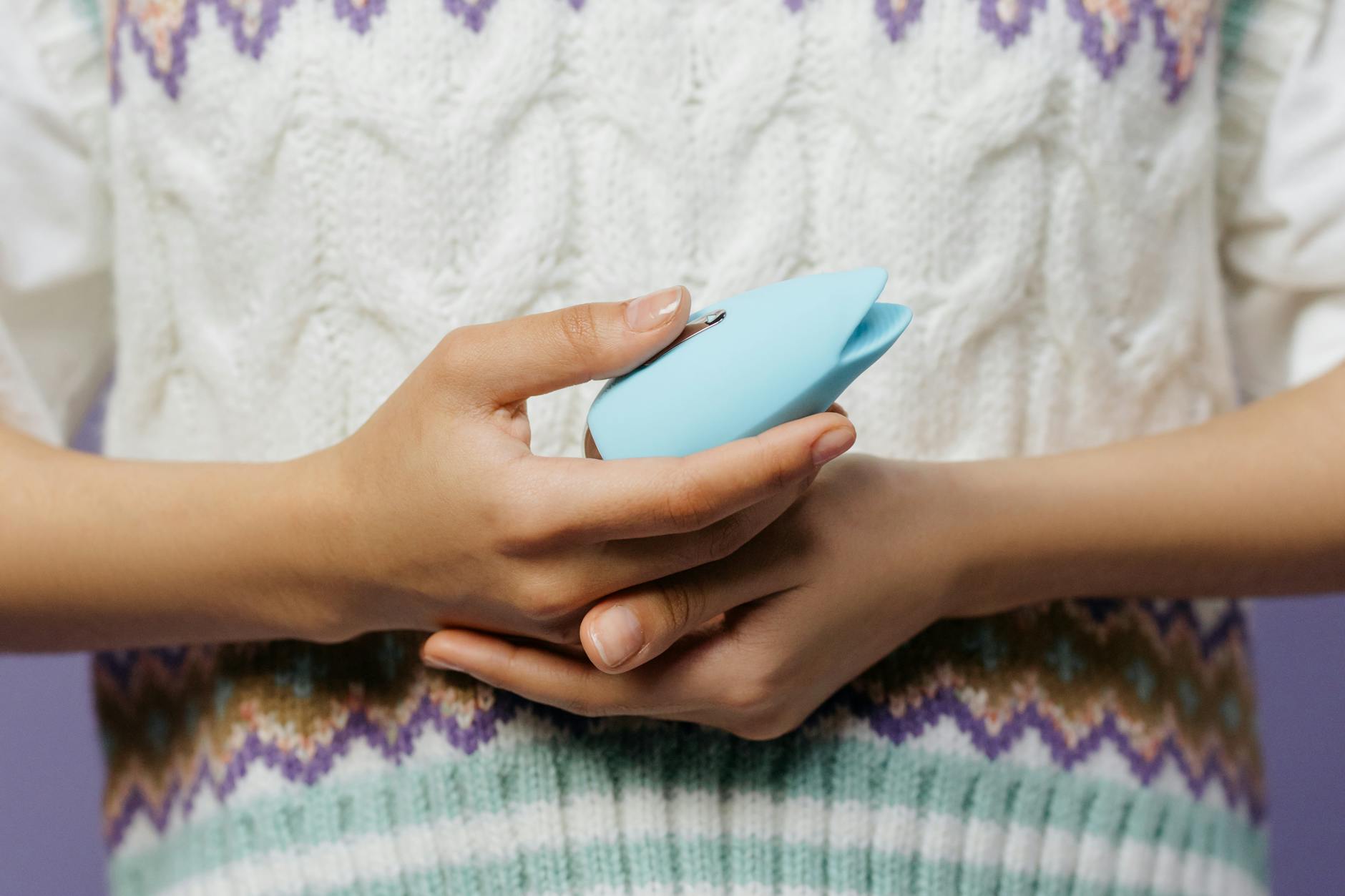
Lemon clitoral vibrators are different. Their suction-based design means you control the pressure moment to moment. You can rest against it lightly. You can pull away instantly. You're never locked into a sensation you didn't choose. That distinction transforms the experience from something that happens to you into something you direct.
The suction pattern also bypasses the defensive response that straight vibration can trigger in post-trauma bodies. It's gentler on the nervous system while still delivering consistent stimulation.
Three concrete ways lemon vibrators support this process:
1. Graduated intensity without shame. You can hover on the lowest setting indefinitely. Many of my clients spend weeks just getting comfortable holding the device, no stimulation at all. Then they turn it on for five seconds. Then thirty. There's no timeline, no pressure, no "you should be farther along by now." That grace matters neurologically. Your amygdala relaxes when there's no expectation.
2. Solo practice before partnered touch. Learning to tolerate and enjoy sensation by yourself, in complete privacy and control, is foundational. It rewires the neural association between touch and safety before you bring another person into the picture. Solo exploration with a lemon clitoral vibrator lets you separate pleasure from performance, obligation, or another person's needs.
3. Predictable, consistent sensation. Trauma often comes with hypervigilance. Your nervous system is scanning for threat. A device that produces the same pattern every single time you press it is neurologically soothing. It's predictable. Nothing surprising will happen. You can relax into that knowing.
After trauma, lubrication often dries up. That's partly hormonal, but mostly it's your body saying "I'm not safe yet." Don't fight it. Use good water-based lubricant anyway. This does two things: it removes physical friction that might trigger an old defensive response, and it signals to your nervous system that you're taking care of yourself. Self-care is its own form of safety.
The combination of a lemon sucker designed for external stimulation plus adequate lube means you're never fighting your body's signals. You're listening to them and accommodating them.
I recommend beginning with no intention of orgasm. That sounds counterintuitive, but it's crucial. Orgasm is a goal-driven outcome that reintroduces pressure into a process that needs to be pressure-free.
Instead, pick a time when you're genuinely not rushed. Close the door. Set your phone to "do not disturb." Hold the device. Let yourself notice what you notice. Maybe you feel tingling. Maybe nothing. Maybe anxiety. All of that is data, not failure.
The first time, aim for two minutes. Just presence. Next time might be five minutes. You're not building toward a destination. You're rebuilding a relationship with sensation itself.
If you have a partner, solo work should come first. A minimum of 2-4 weeks solo practice, in my experience, before you bring them into the picture. That gives your nervous system time to learn safety in isolation.
When you're ready, involve your partner in conversation first. Explain the device. Let them see it. Let them understand that this is about you reclaiming your body, not about them. Their role is to hold space and respect your pace. If they can't do that, how you communicate about pleasure during recovery deserves its own conversation.
Trauma recovery isn't linear. You might have weeks of progress followed by a triggered setback. You might reconnect to pleasure, then lose it again when something reminds you of the original harm. That's not a sign you're broken or doing it wrong. That's a sign you're integrating something profound.
I've worked with clients who took six months to feel comfortable using any device at all. Then another six months before pleasure became consistent. And then suddenly, it clicked. They reported that their most satisfying experiences came on the other side of that patience.
If you're working through trauma, a trauma-informed therapist should be part of your picture. They can help you identify what your nervous system needs and support you through flashbacks or setbacks. A vibrator is a tool, not a substitute for therapeutic care.
That said, many therapists explicitly recommend that their trauma clients use external clitoral stimulation tools like lemon vibrators as part of their healing practice. The combination of professional support plus self-directed somatic work (healing through your body) accelerates recovery.
In my practice, I've watched people move from "I don't know if I'll ever feel pleasure again" to "I'm actually curious about exploring my body." That shift doesn't happen overnight. But it happens reliably when the process is self-directed, pressure-free, and built on a foundation of safety.
Your pleasure matters. Not because you owe it to a partner, not because you "should" be healed by now, but because you deserve to feel good in your own body. Lemon clitoral vibrators are one tool that makes that reclamation possible.
There's no standard timeline. Some people reconnect to sensation within weeks. Others take months or years. The key is that you're not competing against anyone else's pace. Your timeline is your timeline. Many of my clients find that taking their time actually accelerates overall healing because they're not triggering themselves by rushing.
Only if you're using it as a performance pressure or if you're not respecting your own boundaries around intensity and frequency. When used slowly and self-directed, with no external pressure, lemon vibrators typically support nervous system regulation rather than dysregulation. If you feel worse afterward, slow down or pause and discuss it with your therapist.
Dissociation is a protective response. Stop immediately. That's your nervous system saying it's not ready yet. Try again in a few weeks. Or try just holding the device without turning it on, for several sessions, so your body gets used to its presence without the additional stimulus of vibration. Your pace matters more than the device.
If you're in a committed relationship, yes, though the timing and framing are yours to decide. You might say: "I'm working on reconnecting with my body after what happened. I'm using a device to help with that solo practice. This is part of my healing, and it's separate from us." A partner who can't respect that boundary isn't a safe partner for this kind of vulnerable work.
Absolutely. Once you've rebuilt that foundation of safety and sensation, a lemon clitoral vibrator becomes a regular part of your pleasure toolkit. Many of my clients continue using them specifically because they offer control and predictability, which remains valuable long after acute trauma work is complete.
Some antidepressants and anti-anxiety medications reduce sensation as a side effect. That's separate from trauma but compounds the challenge. Talk to your prescriber about whether your dosage or medication class might be adjusted. In the meantime, lemon vibrators can work well when sensation feels muted because the suction mechanism stimulates nerves without requiring high baseline sensitivity.