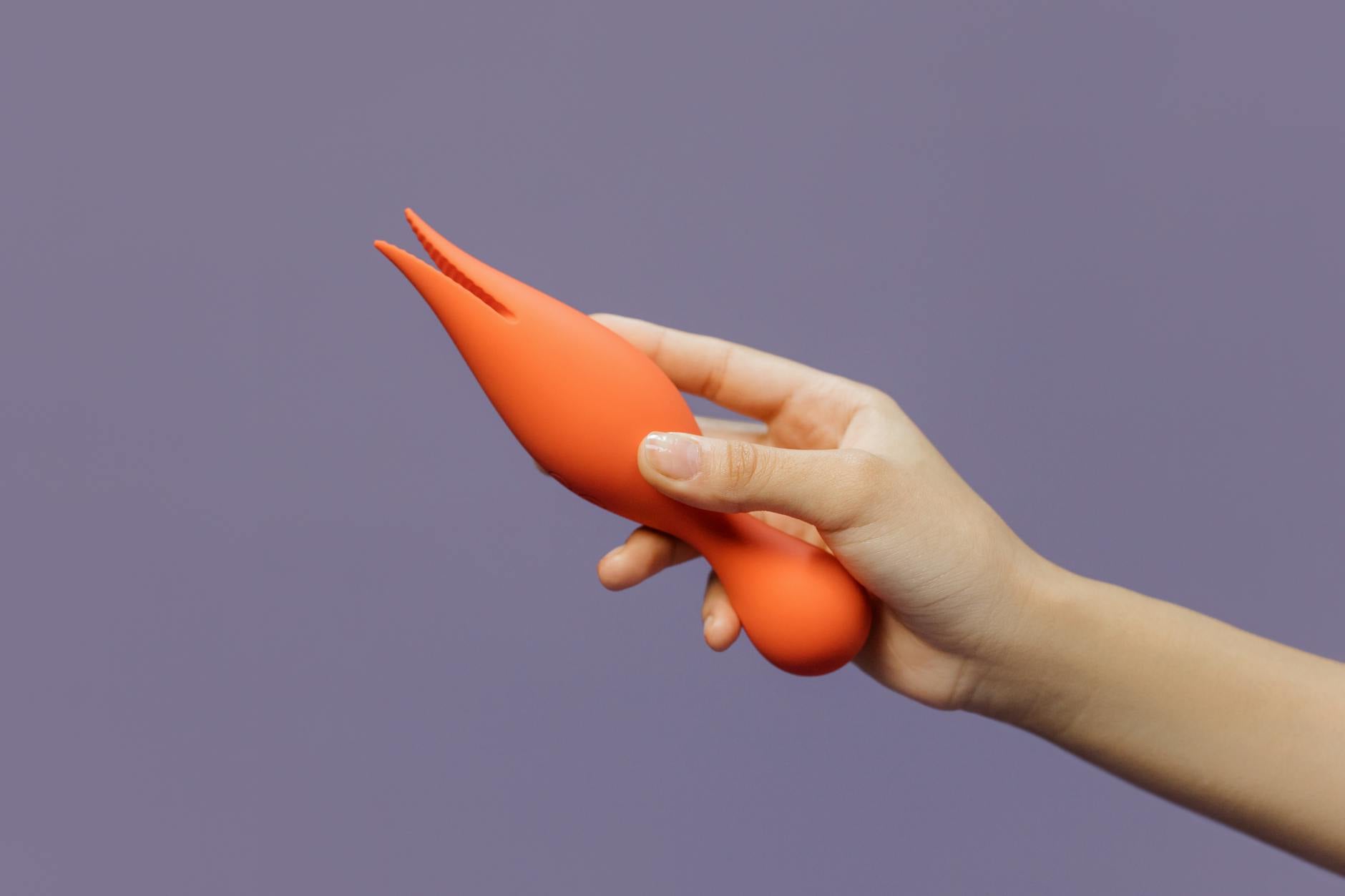
How Lemon Vibrators Help When Desire Returns After Grief
Grief shuts down pleasure. But when desire starts stirring again, you might feel confused, guilty, or unsure how to reconnect. Here's what actually helps.
Grief tells you that pleasure is disrespectful. That wanting your body to feel good while you're still processing loss means you didn't love enough, didn't mourn enough, are moving on too fast. This is a lie your nervous system tells you.
Here's what actually happens. Grief activates your parasympathetic nervous system. Your body downregulates. Desire flattens not because you've changed, but because survival mode has taken over. When that fog starts to lift, weeks or months later, your body might whisper that pleasure is okay again. And that's terrifying.
I work with grieving clients every week. The ones who come back to intimacy do it gently, often alone first, and almost always with permission. That permission matters. So does the tool.
There's real neurology here. Grief activates the amygdala and dampens dopamine production. Your body doesn't feel like having sex. It feels like surviving.
This isn't depression exactly, though grief and depression overlap. It's your nervous system saying "we're in crisis mode." Sex requires parasympathetic activation, relaxation, a sense of safety. Grief does the opposite. It keeps you in sympathetic overdrive.
For some people, this phase lasts weeks. For others, months or years. And then, almost randomly, something shifts. A good day. A moment of laughter. Your body wakes up a little. And suddenly you're aware you haven't felt desire in so long, and now you're feeling it again, and the guilt crashes in.
My advice: the guilt is normal. It means you loved. Don't treat it as a reason to shut desire down again.
Honestly, this is harder than partnered sex. When you're grieving, touching yourself can feel like betrayal. Like you're abandoning the person you lost by feeling good. Or it can feel exposing in a new way. You're alone with your body and your thoughts, and those thoughts might include "I shouldn't want this."
Lemon vibrators solve a specific problem here. They give you permission.
Using a tool, rather than your hand, creates psychological distance. It's not you forcing pleasure. It's a device designed for this exact purpose. You're not being selfish. You're using a tool to reconnect with your body. That distinction sounds small. It's not.
Second, lemon clitoral vibrators work via suction, not friction. The stimulation is gentler, less aggressive. Your nervous system is already fragile. Gentle matters. The rhythm of suction mimics the body's natural responses without demanding intensity you might not have yet.
Third, starting with solo pleasure gives you control. No partner's timeline. No pressure. Just you and your body rebuilding trust.
Five things I tell grieving clients who are reconnecting with pleasure.
Set intention, not goals. "I'm going to try to feel something" is different from "I'm going to have an orgasm." Grief flattens response. You might feel nothing. That's not failure. It's information. Your body is still processing.
Use warm-up time. Grief means arousal takes longer. Budget 15-20 minutes just for settling. Breath work, gentle self-touch, remembering what comfort feels like. Then introduce the lemon vibrator.
Start at the lowest setting. Your nervous system is sensitive. Low intensity rhythms feel less demanding. Many people find that the gentlest pattern on a lemon clitoral vibrator is enough to reconnect without overwhelming.
Expect to stop. You might get five minutes in and feel triggered. That's grief doing its job, not you doing something wrong. Stop. Breathe. Try again tomorrow, or next week. No timeline.
Water-based lubricant always. Grief can suppress lubrication. Not because your body is broken, but because vaginal blood flow drops when you're in crisis mode. Lube removes friction, removes performance pressure, and tells your body this is safe.
If you're grieving alongside a partner, this conversation is delicate.
Neither of you may want sex yet. That's healthy. But one of you might feel desire returning while the other is still in the fog. This creates a common dynamic. One person feeling guilty for wanting, the other feeling pressured or abandoned.
Here's what helps. Separate the conversations. "My body is starting to want touch again" is not the same as "we should have sex now." Solo pleasure using lemon vibrators can be part of your individual healing. Partnered sex is a different choice, made together, on a different timeline.
If you do want to share this with your partner, lemon vibrators can actually make that easier. It removes pressure to perform. It shifts the focus from "am I still attracted to you" to "my body is waking up, and I want to include you." That's a very different conversation.
Some couples find that introducing a clitoral vibrator during partnered touch helps the grieving person relax. It's not a replacement for the partner. It's a tool that helps the nervous system shift from grief-mode back toward pleasure-mode.
You'll have good days and setback days. Pleasure might return, then disappear again when you hit an anniversary or a trigger. That's not regression. That's grief.
Some of my clients use lemon vibrators regularly for months. Others use them sporadically, when they feel ready. There's no correct frequency. There's only what your body and nervous system need right now.
The goal isn't to "get back to normal" sexuality. The goal is to gently reconnect with the capacity for pleasure while you're still processing loss. They're not competing. They can coexist.
Most people find that returning to pleasure, however slowly, actually helps them heal. Your nervous system starts remembering that it can feel safe. That your body can experience good feelings. That you're not betraying anyone by taking care of yourself.
That's not moving on from grief. That's integrating it. And that matters.
Completely normal. Guilt often means you cared deeply. Your nervous system is protecting you by dampening pleasure. But eventually, your body will want to feel alive again. When it does, that's not disloyalty. That's healing.
There's no universal timeline. Some people feel ready in weeks, others need months or years. Listen to your body. If you feel even a whisper of desire, that's permission to explore. Desire doesn't appear unless some part of you is ready.
Not directly rewire, but yes, it can help. Gentle, consistent pleasure signals to your nervous system that it's safe to relax. Over time, that helps shift you out of chronic sympathetic activation. The suction design of lemon vibrators is particularly helpful because it doesn't demand intensity your grieving body might not have.
That depends on your relationship. If you're partnered, transparency usually helps eventually. But you don't owe anyone access to your solo pleasure, ever. If you want to share, frame it as "my body is starting to wake up and I'm rebuilding trust with myself." Most partners respond better to that than to secrets.
That's grief doing its job. Your nervous system might not be ready yet. Don't force it. The point isn't to have an orgasm. It's to gently reconnect with sensation. Sometimes that takes more time. Sometimes it takes a different approach. Keep going, but let your body lead.
Absolutely. Grief isn't linear. You might have a good month, then a trigger hits. That's normal. When it happens, go gentle again. Lower your expectations. Maybe don't use the vibrator for a week. Feel what you're feeling. Then try again. Pleasure and grief can coexist. You don't have to choose.
Grief pauses pleasure. It doesn't erase it. When desire starts returning, you might feel guilty, scared, or unsure how to reconnect. That's human. That's grief doing what it does.
Lemon vibrators help because they're gentle, they're designed for this exact sensation, and they remove the performance pressure. They signal to your nervous system that pleasure is safe again. Not in a performance way. In a genuine, self-care way.
Start slow. Be patient with yourself. Let your body lead. And when pleasure does return, let it. That's not disrespect to the person you lost. That's you, slowly, learning to live again.
If you're struggling with reconnecting after grief, reach out. You don't have to do this alone.